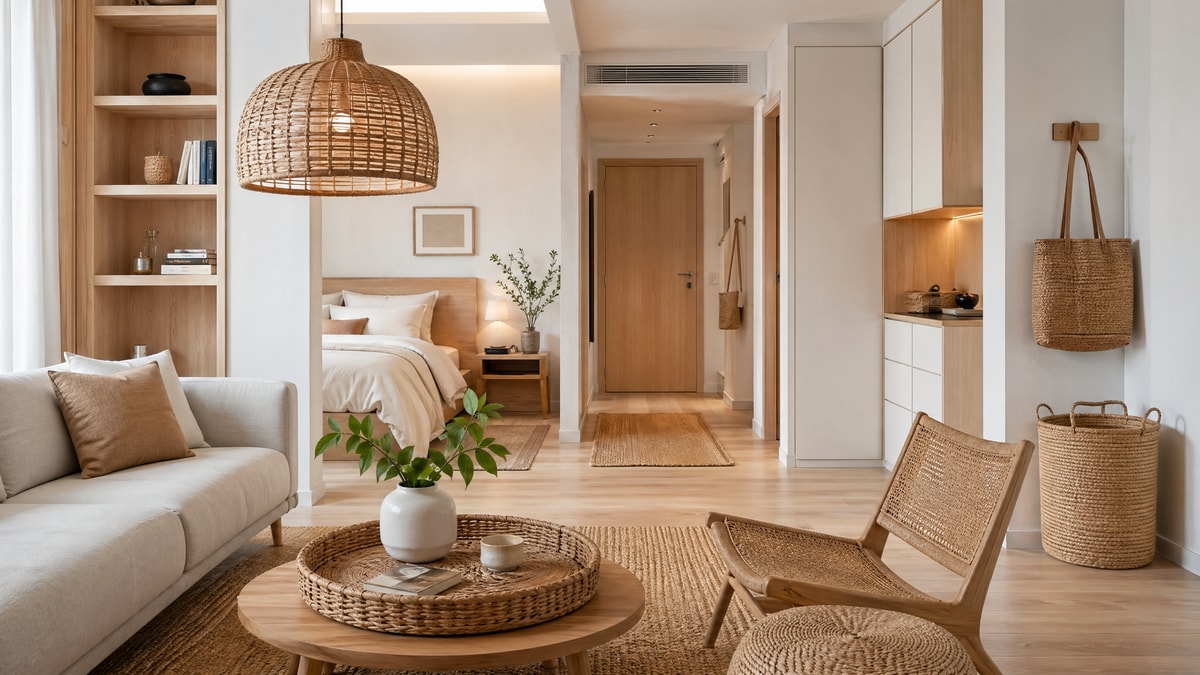
Natural Style Weaving is bringing warmth, texture, and a grounded feel to modern interiors, but its impact depends on where and how it is used. From living rooms and bedrooms to entryways and compact apartments, this design approach can soften clean lines while adding character without overwhelming the space. Understanding the best settings for woven materials helps consumers create homes that feel balanced, stylish, and easy to live in.
Why Natural Style Weaving Fits Modern Homes So Well
Natural Style Weaving works because modern interiors often rely on smooth surfaces, neutral palettes, and simplified forms. While that creates clarity, it can also leave rooms feeling flat or cold. Woven textures made from rattan, seagrass, jute, cotton, bamboo, or paper cord introduce visual variation without demanding a full redesign. For many consumers, this makes woven decor a low-risk way to refresh a room in 1 to 3 purchases rather than a complete furniture replacement cycle.
This matters across the wider consumer goods sector because home styling trends now influence adjacent categories such as storage items, vanity organizers, personal care display trays, small appliance placement, and countertop accessories. TrendNest Daily tracks these category overlaps closely, helping readers understand how interior trends affect everyday product demand, product selection, and buying timing across home and lifestyle purchases.
Another reason Natural Style Weaving performs well is flexibility. It can support Scandinavian, Japandi, coastal, modern rustic, and soft minimalist interiors. In practical terms, consumers do not need to match every woven item perfectly. A room can feel cohesive with 2 to 4 repeated texture cues, such as a woven basket, a chair seat, a pendant shade, and a storage bin in similar tones.
The key is balance. Woven materials should soften a space, not overload it. In modern homes with limited square footage, especially apartments under 90 square meters, texture has to work harder than quantity. A few well-placed pieces often create a better result than filling every corner with handmade-looking accents.
What consumers are usually trying to solve
- A living room feels too sharp because of glass, metal, or high-gloss surfaces.
- A bedroom looks neat but lacks warmth and visual comfort.
- An entryway needs practical storage that does not look bulky.
- Small appliances and daily-use items need better organization without making counters look cluttered.
Where does Natural Style Weaving work best in a modern interior?
Natural Style Weaving does not perform equally in every room. It is strongest in spaces where comfort, texture, and daily visibility matter most. For consumers, the smartest approach is to begin with high-impact zones and evaluate how woven materials interact with light, traffic, and cleaning habits over 2 to 4 weeks before expanding to other rooms.
Living rooms are usually the easiest starting point. A woven accent chair, lamp shade, storage basket, or coffee table tray can break up the hard edges of sofas, screens, and cabinets. This is especially useful in open-plan homes where one material must visually connect seating, storage, and display areas.
Bedrooms are also a natural fit because woven textures communicate calm. Headboards, benches, bedside baskets, and pendant lighting can make a modern bedroom feel less sterile. In compact bedrooms, woven items with visible airflow, such as open-weave baskets or cane-front furniture, also appear lighter than solid storage units of the same size.
Entryways, vanity zones, and balcony corners should not be overlooked. These are everyday-use areas where consumers often need both mood and function. A woven bench with hidden storage, a tray for personal care products, or a plant stand can make transitional spaces feel intentional rather than leftover.
Best-use scenarios by room
The table below helps compare where Natural Style Weaving delivers the strongest visual and practical value in modern homes.
A clear pattern emerges: Natural Style Weaving works best where it can add softness, hide small-scale clutter, or create warmth beside hard materials. It tends to be less effective in spaces where grease, steam, or frequent splashing demand heavy-duty wipe-clean finishes unless the woven piece is sealed or used only decoratively.
A simple room-by-room decision rule
- Start with one focal item in the room’s most visible zone.
- Repeat the woven texture no more than 2 or 3 times in the same room.
- Test whether the item supports storage, lighting, or comfort, not only decoration.
How to choose the right woven material for daily life
Not all woven products behave the same way. Consumers often focus on appearance first, but the better buying decision comes from matching material to use intensity, cleaning needs, and exposure conditions. In home goods and small commodity channels, this is where product descriptions, supply information, and category knowledge become critical.
For example, jute and seagrass provide an earthy look and work well for rugs or baskets in dry zones. Rattan and bamboo tend to suit furniture details and lighting because they offer more structure. Cotton rope and fabric weaving can feel softer for bedrooms and children’s spaces, while paper cord often appears refined in modern dining or lounge chairs.
Consumers should also think about maintenance cycles. A woven basket used every day near a bathroom sink or beauty station may need weekly dusting and periodic drying. A decorative pendant shade in a low-humidity room may only need cleaning every 2 to 4 weeks. The more practical the use, the more important surface stability and edge finishing become.
TrendNest Daily’s industry perspective is useful here because woven products often sit at the intersection of design, sourcing, packaging, and retail presentation. Understanding whether an item is handmade, semi-handmade, or factory-assisted can shape expectations on texture consistency, lead time, and price range.
Material comparison for Natural Style Weaving
Before buying, compare the most common materials across durability, look, and maintenance demands rather than choosing by image alone.
This comparison shows why there is no single best material for Natural Style Weaving. The right choice depends on whether the item will handle daily contact, hold personal care products, sit near a small appliance, or simply provide visual softness in a low-touch area.
3 core buying checks before checkout
- Check dimensions carefully, especially for baskets, trays, and under-bench storage, where a mismatch of even 2 to 5 centimeters can limit usability.
- Review use conditions such as dry indoor use, ventilated placement, or light-load storage only.
- Look at finish quality around handles, edges, and base support, since these are the first points to show wear.
What mistakes make woven interiors look messy instead of modern?
The biggest mistake is over-layering. Consumers sometimes see Natural Style Weaving as a shortcut to coziness and add baskets, chairs, lamps, mirrors, and wall decor all at once. In modern interiors, that often creates visual noise. If a room already includes wood grain, linen, textured paint, and patterned rugs, additional woven surfaces may compete rather than complement.
Another common issue is ignoring function. A decorative woven tray may look appealing online, but if it cannot safely hold bottles, grooming tools, or remote controls, it becomes clutter fast. The same applies to lightweight baskets used for heavy household items. Practical mismatch is one of the fastest ways for trend-driven decor to lose value after 30 to 60 days of real use.
Moisture and cleaning are also underestimated. Not every woven surface belongs in steamy bathrooms or near kitchen splashes. Consumers should avoid placing untreated natural fibers directly beside sinks, humidifiers, or heat-releasing small appliances unless airflow is good and the product description supports that use condition.
Finally, scale matters. In compact apartments, one oversized pendant shade or a cluster of large baskets can make a room feel crowded. A better strategy is to distribute woven texture across small and medium accents, keeping pathways clear and preserving at least 60 to 80 centimeters of comfortable movement in active zones.
Quick warning signs before you buy
- The product photo looks good, but no material details or care notes are listed.
- The item is described as multi-room, but there is no mention of moisture tolerance or load type.
- The weave is very open, but the product is meant to hold small cosmetics, cables, or loose accessories.
- The color tone clashes with existing wood finishes, making the room feel accidental rather than curated.
A better styling rule
Use Natural Style Weaving to solve one room problem at a time: soften, store, divide, or highlight. When every woven item has a role, the result feels intentional. When woven items are added only as trend symbols, the room often loses the crisp, breathable quality that modern interiors need.
FAQ: how consumers can make smarter Natural Style Weaving decisions
Is Natural Style Weaving suitable for small apartments?
Yes, but it works best in controlled amounts. In smaller homes, choose 2 to 3 woven elements per room and favor pieces that also provide storage or lighting. Open-weave furniture and baskets tend to look lighter than solid bulky alternatives, which helps preserve the feeling of space.
Which rooms should I avoid for woven materials?
Treat high-moisture or high-grease zones carefully. Kitchens and bathrooms can still use Natural Style Weaving, but consumers should prioritize sealed surfaces, removable liners, or decorative placement away from direct splash points. In many cases, a 30 to 50 centimeter distance from water exposure already improves durability.
How do I know whether a woven item is decorative or practical?
Look for three things: structure, finish, and use note. If the base is reinforced, the edges are clean, and the listing specifies storage type or care method, the product is more likely designed for daily use. If details are vague and photos focus only on styling, treat it as decorative first.
Does Natural Style Weaving match modern appliances and personal care items?
Often yes. Woven trays, organizers, and baskets pair well with hair tools, skincare bottles, diffusers, and compact appliances when the scale is right. This is one reason the trend matters across consumer goods categories: decor, beauty storage, and small appliance presentation increasingly influence each other at home and at retail.
Why choose us if you want practical insight before you buy?
TrendNest Daily goes beyond visual inspiration. We connect home styling trends like Natural Style Weaving with the broader consumer goods landscape, including storage products, personal care organization, beauty display solutions, small home appliance surroundings, and sourcing developments. That gives readers a more useful view of what is stylish, what is practical, and what is gaining traction across channels.
If you are comparing woven home accessories, evaluating product categories, or trying to understand which materials and formats fit real daily use, you can use our coverage to narrow decisions faster. We help readers assess 4 key areas: application scenario, material suitability, common delivery expectations, and category trend direction.
You can contact us for specific guidance on product selection, material comparison, lead-time expectations, private label trend research, category expansion ideas, and cross-category demand signals related to home, beauty, personal care, and everyday goods. This is especially useful when you want more than a style opinion and need a decision framework grounded in actual market movement.
Whether you want help confirming product parameters, reviewing woven storage options, comparing alternatives for compact spaces, understanding care and usage limits, or identifying emerging consumer preferences, TrendNest Daily can support the next step with practical, category-linked insight.
Industry Global
Related News
- 00
0000-00
How to Shortlist a Home Decor Manufacturer for Export Projects - 00
0000-00
Fragrance Wholesale in 2026: What Buyers Need to Know Before Importing - 00
0000-00
How to Choose an Aroma Diffuser for Home Based on Room Size - 00
0000-00
How to Pick Decorative Items for Office Without Making It Look Cluttered - 00
0000-00
Home Styling Tips That Make Small Spaces Feel More Put Together
Weekly Insights
Stay ahead with our curated technology reports delivered every Monday.
Related News
 How to Shortlist a Home Decor Manufacturer for Export ProjectsHome Decor manufacturer guide: learn how to shortlist export-ready partners for Home Fragrance diffuser, Decorative Items for office, and custom gifts for corporate with less sourcing risk.
 Fragrance Wholesale in 2026: What Buyers Need to Know Before ImportingFragrance wholesale in 2026: learn how to evaluate Home Fragrance diffuser, Aroma Diffuser for home, Scented Candles custom, and Essential Oils for relaxation before importing.
 How to Choose an Aroma Diffuser for Home Based on Room SizeAroma Diffuser for home guide by room size: compare Home Fragrance diffuser types, Reed Diffuser benefits, Essential Oil Diffuser price, and Aromatherapy Oils for sleep to choose the best fit.
 How to Pick Decorative Items for Office Without Making It Look ClutteredDecorative Items for office made simple: discover Home Styling tips, smart office supplies bulk order ideas, and sourcing advice from a Home Decor manufacturer for a clean, professional workspace.