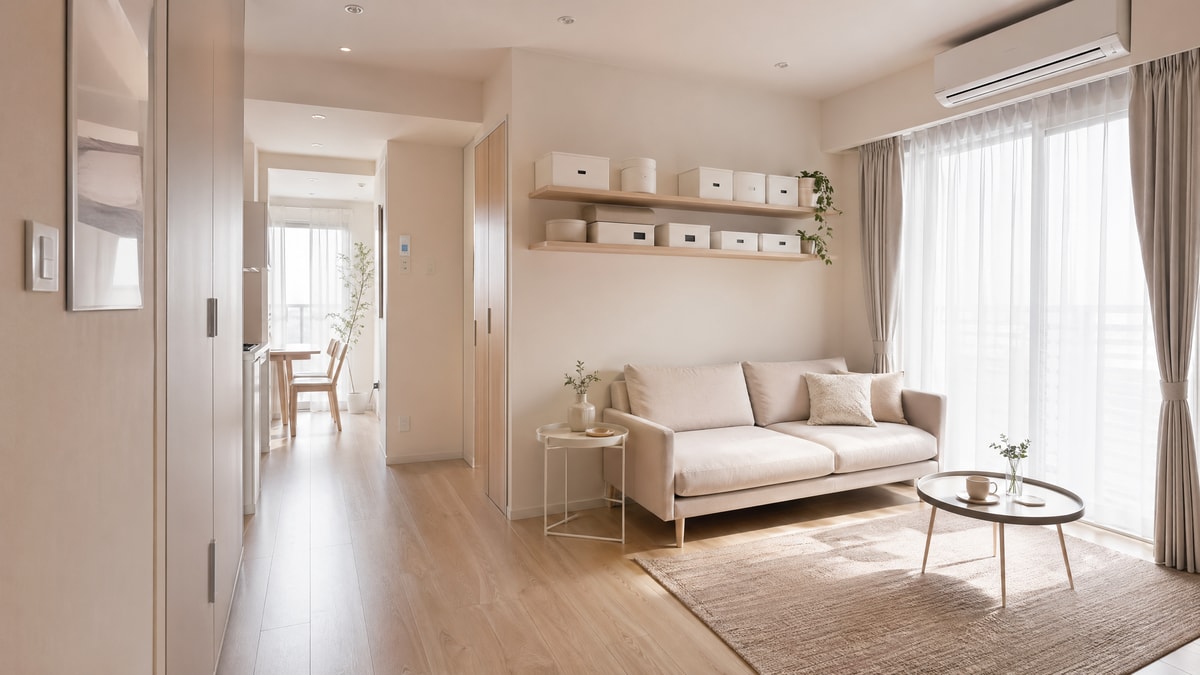
Smart Home Styling ideas can transform even the smallest room into a space that feels open, calm, and functional. From choosing light-enhancing colors to arranging furniture for better flow, simple design updates can reduce visual clutter without sacrificing comfort or style. Explore practical ways to make compact living areas feel less crowded and more inviting every day.
Why do small rooms feel crowded even when they are not full?
Many compact rooms feel cramped because the problem is not always square footage. In many homes, visual weight, blocked pathways, and poor light distribution create the impression of crowding long before storage capacity is reached. A room of 8 to 12 square meters can feel noticeably larger when at least 60 to 75 centimeters of walking clearance is preserved between major furniture pieces.
This is why practical Home Styling ideas focus first on perception. Dark color blocks, oversized sofas, heavy curtains, and too many small accessories break up the eye line and make walls seem closer together. By contrast, smoother surfaces, fewer interruptions, and coordinated finishes help the eye travel across the room without stopping every few seconds.
For everyday consumers, this matters because small-room improvements do not always require renovation. Categories often covered across consumer goods and home living markets, such as compact organizers, multi-use lighting, slim appliances, foldable furniture, and space-saving personal storage, can make a measurable difference in how a room functions day to day.
What usually creates visual congestion?
- Furniture that is too deep for the room, especially pieces over 90 centimeters deep in narrow layouts.
- Too many exposed items on countertops, shelves, and side tables.
- Mixed finishes and unrelated colors that divide the space into several small visual zones.
- Lighting that creates shadows in corners instead of even brightness across the full room.
- Large decor placed at eye level in every direction, leaving no resting point for the eye.
A useful rule is to reduce either quantity or contrast. If a room cannot hold fewer items, it should hold items with less visual noise. That is one of the most effective Home Styling ideas for renters, apartment owners, and anyone working with limited floor area.
Which Home Styling ideas make the biggest difference first?
The best first steps are the ones that improve light, circulation, and storage at the same time. For most households, that means adjusting wall color, moving large furniture away from the center path, and reducing visible clutter on horizontal surfaces. These changes can often be completed in one weekend or within a 1 to 2 week refresh cycle.
Light-reflective colors are especially effective. Soft whites, warm beige tones, pale gray, muted sand, and low-saturation pastels can help bounce both natural and artificial light. In practical consumer interiors, a matte or eggshell finish usually works well because it softens glare while still giving the room a cleaner and more continuous appearance.
Another high-impact move is replacing multiple small storage items with fewer coordinated ones. Three matching bins often look calmer than seven mixed baskets, even if total storage volume stays almost the same. This is where Home Styling ideas overlap with smart product selection in consumer goods, since material, finish, and scale all affect how organized a room feels.
What should you change in order?
- Clear the floor and keep only essential furniture.
- Improve the room’s light balance using curtains, lamps, and lighter finishes.
- Use vertical storage up to safe and practical reach zones, usually 150 to 180 centimeters.
- Choose dual-purpose items such as storage benches, nesting tables, or wall-mounted shelves.
- Limit decorative surfaces to 2 or 3 focal points instead of styling every corner.
Quick comparison of high-impact updates
The table below summarizes common Home Styling ideas that consumers often consider when trying to make a small room feel less crowded. It compares effort level, visual impact, and best-use situations so it is easier to decide where to start.
For most homes, the fastest visible improvement comes from the combination of lighter finishes and clutter reduction. Furniture replacement delivers strong results too, but it often involves more planning, sourcing time, and cost comparison.
How should furniture be arranged in a small room?
Furniture arrangement is one of the most practical Home Styling ideas because it changes the room immediately without requiring construction. Start by identifying the main route through the room. Whether it is a bedroom, studio apartment, or compact living room, the path from the entry to the window or to the bed should feel easy and uninterrupted.
In many small spaces, pushing every item against the wall is not always the best answer. A better approach is to keep a clear visual center and avoid awkward gaps. A sofa with visible legs, for example, often feels lighter than a low block-style sofa, even when overall dimensions differ by only 10 to 15 centimeters.
Consumers should also pay attention to scale relationships. If a room has one large item, surrounding pieces should stay visually quiet. A room with a full bed, a compact nightstand, a narrow dresser, and one lamp tends to feel more balanced than a room with five medium-sized pieces competing for attention.
Which layout habits usually help?
- Keep at least one side of the room open enough to show more floor area.
- Use furniture with raised legs to expose 8 to 15 centimeters of floor beneath.
- Choose one focal point, such as a window, bed wall, or media unit, instead of several.
- Prefer round or oval side tables in tight corners to reduce hard visual edges.
- Use wall-mounted lights or shelves when floor space is below comfortable range.
Common layout choices and their effect
Because furniture dimensions vary widely in consumer home categories, the table below helps compare arrangements that are frequently used in compact rooms. It can guide better buying decisions before adding new household items or small home accessories.
In real homes, the best layout is usually the one that supports daily movement. If opening drawers, walking to the bed, or plugging in a small appliance feels awkward, the room will still feel crowded no matter how attractive the styling looks.
What colors, lighting, and materials help a room feel more open?
Color and lighting shape perception faster than almost any other design element. Effective Home Styling ideas often rely on a light-to-mid-tone palette with limited contrast. That does not mean every room must be white. It means the visual transitions between walls, flooring, furniture, and textiles should feel gentle rather than abrupt.
Lighting should come from at least 2 to 3 levels in a small room when possible: overhead light, task light, and a softer ambient source. This layered approach reduces dark corners and spreads brightness more evenly. Even compact table lamps, under-shelf lights, or wall sconces can change the room’s depth if placed strategically.
Materials also influence visual density. Glass, light wood, matte metal, smooth painted surfaces, and soft woven fabrics tend to look lighter than thick lacquer, dark glossy finishes, or busy prints. In consumer home products, a coordinated finish across organizers, mirrors, shelves, and small appliances often creates a cleaner, more unified appearance.
Are mirrors always a good solution?
Mirrors can help, but they work best when they reflect light or an organized view. A mirror facing clutter only doubles the clutter. A medium or large mirror near a window or opposite a calm wall can increase brightness and expand sightlines. In narrow rooms, one well-placed mirror usually performs better than several small decorative mirrors.
The key is restraint. Home Styling ideas that make small rooms feel less crowded usually reduce visual fragmentation. Too many mirrored, metallic, or high-shine objects can create busyness instead of spaciousness, especially in rooms already filled with beauty storage, personal care items, or everyday household products.
If the room includes small home appliances such as air purifiers, fans, or compact grooming devices, try to keep finishes aligned. Two or three coordinated devices in similar tones often look more intentional than a collection of unrelated plastics in different colors.
What are the most common mistakes people make with Home Styling ideas?
One common mistake is buying storage before understanding what needs to be stored. This often leads to more containers but not less clutter. A better approach is to sort items by frequency of use. Daily-use products should stay accessible, weekly-use items can go higher or deeper, and rarely used products can move to closed storage or another room.
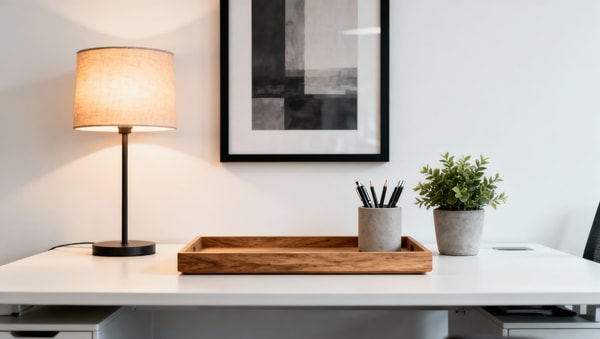
Another mistake is choosing decor that is too small. In compact spaces, many tiny accessories can create more noise than a few larger, simpler elements. One framed artwork, one plant, and one tray of essentials often feel calmer than 12 scattered decorative objects across every shelf and tabletop.
A third mistake is ignoring product dimensions when shopping online. In home goods, small differences matter. A side table that is 35 centimeters wide may fit well, while one at 50 centimeters can block circulation. The same applies to compact appliances, cosmetic organizers, laundry baskets, and entryway storage products.
What should you check before buying new items?
- Measure available floor area and vertical clearance before comparing products.
- Check whether the item offers hidden storage, stackability, or folding function.
- Review the visual weight of the item, not just the listed dimensions.
- Confirm whether the finish matches existing room tones and daily-use goods.
- Ask whether the item improves at least 2 functions, such as storage plus seating.
These checks are especially useful in households where beauty products, personal care tools, and small home devices share limited space. Smart Home Styling ideas work best when each item earns its place through both function and visual simplicity.
How can you create a realistic small-room plan without overspending?
A realistic plan starts with prioritization. Instead of changing everything at once, focus on 3 layers: layout, storage, and finish. This approach helps consumers control spending while still getting visible results. In many cases, phase one can be completed with basic organizers, new textiles, and one lighting improvement rather than a full furniture replacement.
Set a decision order that matches actual use. If the room lacks storage, solve that before buying decor. If the room is dark, improve lighting before repainting. If circulation is poor, measure furniture and clear pathways before adding shelves. This kind of sequencing is one of the most effective Home Styling ideas because it prevents wasted purchases.
Consumers can also borrow sourcing logic from broader home and consumer goods markets: compare dimensions, materials, maintenance needs, and delivery timelines before committing. Typical delivery cycles for standard household products may range from a few days to 2 weeks depending on availability, while custom storage or made-to-order pieces usually take longer.
Simple FAQ summary for faster decisions
If you want a quick reference before making updates, this summary table brings together the most useful Home Styling ideas and the questions they answer in practical daily life.
The most cost-effective improvements usually come from better editing, better arrangement, and better product fit. Once those are solved, decorative upgrades become easier and more satisfying because the room already feels calmer and more spacious.
Why choose us if you want better home product insights and practical sourcing guidance?
TrendNest Daily follows the consumer goods ecosystem that shapes real living spaces, from small home appliances and personal care storage trends to home organization products, product innovation, and supply-side developments. That makes our coverage useful not only for industry professionals, but also for consumers who want practical insight before buying products that affect everyday comfort.
If you are comparing Home Styling ideas and want clearer direction, we can help you follow the product categories that matter most in compact living: organizers, mirrors, lighting, beauty storage, household accessories, and small space-friendly appliances. Practical market awareness often leads to better product choices, fewer mismatched purchases, and smarter planning.
Contact us if you want support with product selection logic, category trend tracking, sourcing direction, delivery cycle understanding, or comparing household solutions for small rooms. You can also reach out to discuss style planning priorities, sample evaluation ideas, product fit questions, or pricing and supply communication related to everyday home living products.
Industry Global
Related News
- 00
0000-00
How to Shortlist a Home Decor Manufacturer for Export Projects - 00
0000-00
Fragrance Wholesale in 2026: What Buyers Need to Know Before Importing - 00
0000-00
How to Choose an Aroma Diffuser for Home Based on Room Size - 00
0000-00
How to Pick Decorative Items for Office Without Making It Look Cluttered - 00
0000-00
Home Styling Tips That Make Small Spaces Feel More Put Together
Weekly Insights
Stay ahead with our curated technology reports delivered every Monday.
Related News
 How to Shortlist a Home Decor Manufacturer for Export ProjectsHome Decor manufacturer guide: learn how to shortlist export-ready partners for Home Fragrance diffuser, Decorative Items for office, and custom gifts for corporate with less sourcing risk.
 Fragrance Wholesale in 2026: What Buyers Need to Know Before ImportingFragrance wholesale in 2026: learn how to evaluate Home Fragrance diffuser, Aroma Diffuser for home, Scented Candles custom, and Essential Oils for relaxation before importing.
 How to Choose an Aroma Diffuser for Home Based on Room SizeAroma Diffuser for home guide by room size: compare Home Fragrance diffuser types, Reed Diffuser benefits, Essential Oil Diffuser price, and Aromatherapy Oils for sleep to choose the best fit.
 How to Pick Decorative Items for Office Without Making It Look ClutteredDecorative Items for office made simple: discover Home Styling tips, smart office supplies bulk order ideas, and sourcing advice from a Home Decor manufacturer for a clean, professional workspace.