From calming bedrooms to stress-relief routines, Aromatherapy Products for relaxation have become a popular choice for consumers seeking simple ways to unwind. But which scents actually work best? This article explores the most effective aroma profiles, how they influence mood, and what to consider when choosing products that support better rest, balance, and everyday comfort.
If you want the short answer first, lavender is still the most widely trusted option for relaxation, while chamomile, bergamot, sandalwood, ylang-ylang, and cedarwood are also strong choices. The best scent, however, depends on when you plan to use it, how sensitive you are to fragrance, and whether your goal is better sleep, less tension, or a calmer mood during the day.
For most consumers, the real question is not whether aromatherapy can feel pleasant. It is which Aromatherapy Products for relaxation are actually worth buying, which scents suit different situations, and how to avoid products that smell nice but do very little to support a genuinely calming routine.
What most people are really looking for in relaxing aromatherapy products
When consumers search for Aromatherapy Products for relaxation, they usually want practical guidance, not abstract fragrance theory. They want to know which scents feel calming, which product formats are easiest to use, and whether the effect is gentle enough for everyday routines at home, at work, or before bedtime.
They also care about safety and comfort. A scent that is too heavy, too sweet, or too artificial can quickly become irritating instead of soothing. That is why choosing the right aroma profile matters as much as choosing the right product type, whether it is an essential oil blend, candle, pillow spray, diffuser oil, or bath product.
Which scents work best for relaxation?
Not every fragrance marketed as “calming” works the same way. Some scents are better for sleep, some help take the edge off a stressful afternoon, and others create a general sense of comfort. The following aroma families are among the most popular and effective for relaxation-focused use.
Lavender: the classic first choice
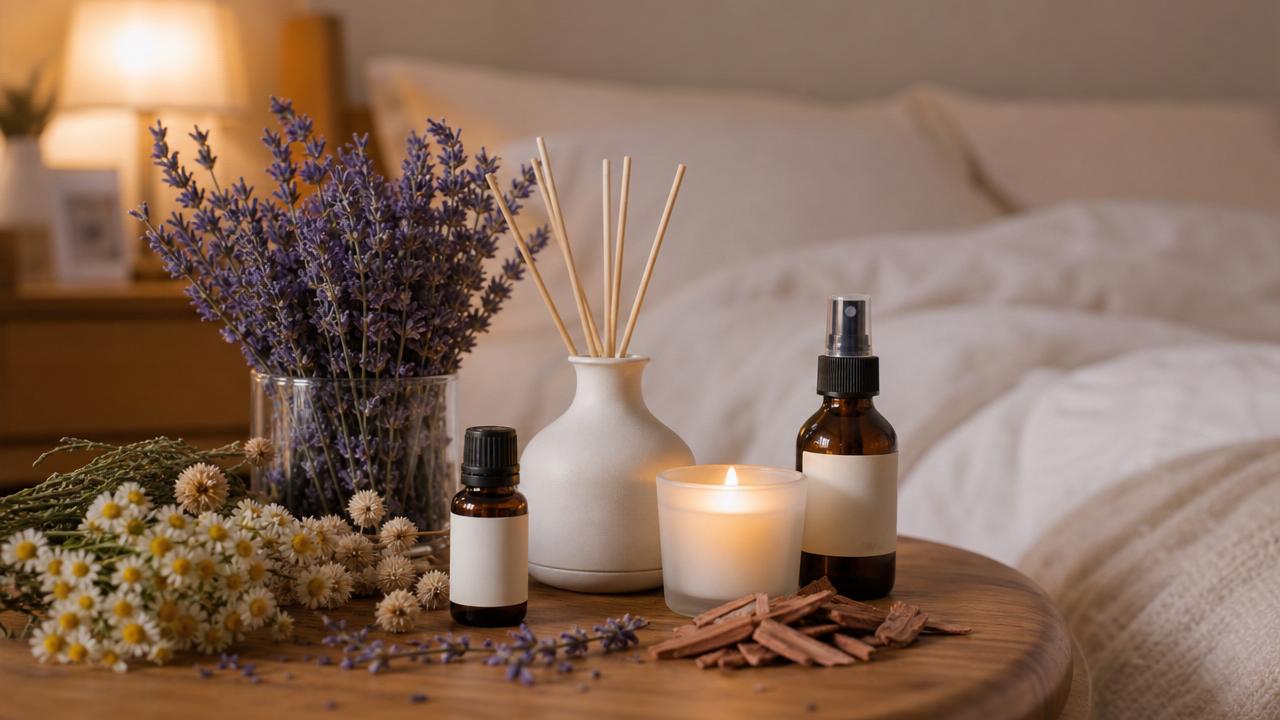
Lavender remains the most recommended scent for relaxation because it is familiar, versatile, and widely associated with rest. Many people use it in bedroom diffusers, bath oils, pillow mists, or roll-ons to support a bedtime routine. Its herbal-floral profile tends to feel soft rather than overpowering.
Lavender is often the safest place to start if you are new to Aromatherapy Products for relaxation. It suits evening use especially well and pairs easily with other calming notes like chamomile, cedarwood, and vanilla. If your main goal is winding down before sleep, lavender is usually the strongest first option.
Chamomile: gentle and comforting
Chamomile offers a milder, warmer kind of calm. It is a good choice for people who find floral scents too sharp or who prefer something soft and cozy. In aromatherapy products, chamomile is often used to support rest, emotional balance, and a feeling of quiet comfort after a busy day.
Products with chamomile can work well in nighttime sprays, bath soaks, and diffuser blends. They are especially appealing for people who want relaxation without a strongly perfumed atmosphere. If lavender feels too recognizable or too common, chamomile can be an excellent alternative.
Bergamot: calm without feeling sleepy
Bergamot stands out because it can feel relaxing while still seeming fresh and light. It is a citrus note, but softer and less energizing than lemon or grapefruit. This makes it useful for people who want relief from daily stress without creating a drowsy mood, especially during work-from-home or evening transition hours.
Bergamot is often blended with lavender, neroli, or sandalwood in home fragrance and body care products. If your goal is emotional reset rather than deep sleep support, bergamot may be one of the best scents to try. It is calming, but it does not usually make a space feel too heavy.
Sandalwood: grounded and warm
Sandalwood is often chosen by consumers who prefer earthy, woody scents over floral ones. Its rich, smooth aroma creates a grounded atmosphere that many people associate with meditation, stillness, and quiet focus. In Aromatherapy Products for relaxation, sandalwood is popular for evening routines and low-stimulation environments.
This scent tends to work especially well in candles, diffuser oils, and personal blends used during reading, stretching, or screen-free wind-down time. For people who want emotional calm and a more luxurious sensory experience, sandalwood can feel deeper and more enveloping than lighter floral notes.
Cedarwood and ylang-ylang: two different calming directions
Cedarwood offers a dry, woody, almost forest-like calm. It is often used in sleep blends because it adds depth without becoming sweet. Consumers who dislike powdery or perfume-like scents often respond well to cedarwood, especially in blends designed for bedrooms and quiet nighttime settings.
Ylang-ylang, on the other hand, is richer, sweeter, and more floral. It can feel soothing and emotionally comforting, but it is not for everyone. If you enjoy lush floral aromas, it may be a rewarding option. If you are sensitive to intense fragrance, a lighter blend may be a better fit.
How to choose the right scent based on your goal
The most helpful way to shop is to match the scent to your purpose. If you want better sleep, lavender, chamomile, and cedarwood are usually strong candidates. If you want stress relief during the day, bergamot and lighter lavender blends often feel more appropriate and less sedating.
If your aim is to create a peaceful home atmosphere, sandalwood and blended woody-floral products can add warmth and depth. If your main concern is emotional tension after work, softer citrus-floral combinations may feel more uplifting while still supporting relaxation. The best product is the one that suits the moment you need it.
Which product formats are most useful for everyday relaxation?
Scent matters, but format matters too. Diffuser oils are ideal if you want to fill a room gradually and create a stable atmosphere. Pillow sprays and roll-ons are practical for personal use and bedtime routines. Candles add visual comfort, while bath oils and shower steamers support full-body relaxation experiences.
If you are trying aromatherapy for the first time, a diffuser blend or pillow mist is often the easiest entry point. These are simple to use and let you notice quickly whether a scent feels calming or distracting. For on-the-go stress relief, balms and roller bottles are more convenient than room-based products.
Consumers should also think about frequency. A product that requires too much setup may not become part of your actual routine. The most effective Aromatherapy Products for relaxation are often the ones you can use consistently, without extra effort, at the times you naturally need calm the most.
How to tell whether a product is genuinely relaxing or just well marketed
Many products use calming language, but not all of them deliver a relaxing experience. Start by checking the scent profile rather than the front-label promise alone. If a product claims to support relaxation but contains mostly sharp, sugary, or overly synthetic fragrance notes, it may not create the effect you want.
Look for clear ingredient information, especially if you are buying essential oil blends, body oils, or sprays. Products that explain their fragrance composition are often easier to evaluate than vague “spa-inspired” or “sleepy time” branding. Customer reviews can also help, especially when they mention real use cases such as bedtime, reading, or post-work decompression.
Another useful clue is balance. The best relaxing products usually avoid extremes. They are noticeable without being aggressive, comforting without feeling stale, and pleasant enough for repeated use. If a scent impresses you for five seconds but becomes tiring after ten minutes, it may not be ideal for relaxation.
Important comfort and safety considerations before buying
Even calming scents can be unpleasant if they are too concentrated or used in the wrong environment. Bedrooms, small offices, and enclosed bathrooms can make fragrance feel stronger than expected. Starting with a lighter product or a diluted blend is often a better choice than using an intense formula immediately.
People with asthma, migraines, allergies, or strong scent sensitivity should be especially selective. Patch testing body products and using room fragrance in moderation can help reduce discomfort. Aromatherapy Products for relaxation should make your environment feel easier to be in, not create headaches, irritation, or sensory overload.
It is also worth remembering that scent preferences are personal. A fragrance that one person finds deeply soothing may feel unpleasant to someone else because of memory, taste, or sensitivity. That is why sample sizes, trial kits, and small first purchases can be smarter than buying large products too quickly.
What works best for most consumers?
For most people, the best starting point is a simple routine built around one or two proven scents. Lavender is the easiest all-round recommendation for sleep and evening calm. Bergamot is excellent for daytime stress relief. Chamomile and cedarwood are strong support options if you want a softer or more grounded effect.
If you enjoy rich, warm atmospheres, sandalwood may be the best fit. If you prefer light and clean relaxation, choose products with bergamot or lavender as the main note. The goal is not to find the “perfect” scent in theory, but to find one you genuinely enjoy using again and again.
In the end, Aromatherapy Products for relaxation work best when they match your routine, your environment, and your personal scent preference. Start with trusted calming notes, choose a format that fits your lifestyle, and pay attention to how a product makes you feel over time. The most effective relaxing scent is the one that helps you slow down naturally and comfortably.
Industry Global
Related News
- 00
0000-00
Decorative accessories with replaceable scent capsules—how many cycles do they last? - 00
0000-00
Candle market growth isn’t slowing—but quality standards are uneven - 00
0000-00
Scented candles that actually last: what the label won’t tell you - 00
0000-00
California Textile EPR Rule Bars Unregistered Fragrance Textile Sales - 00
0000-00
Aromatherapy Oils Bulk Order Guide: MOQ, Packaging Options, and Supplier Checks
Weekly Insights
Stay ahead with our curated technology reports delivered every Monday.
Related News
 How to Shortlist a Home Decor Manufacturer for Export ProjectsHome Decor manufacturer guide: learn how to shortlist export-ready partners for Home Fragrance diffuser, Decorative Items for office, and custom gifts for corporate with less sourcing risk.
 Fragrance Wholesale in 2026: What Buyers Need to Know Before ImportingFragrance wholesale in 2026: learn how to evaluate Home Fragrance diffuser, Aroma Diffuser for home, Scented Candles custom, and Essential Oils for relaxation before importing.
 How to Choose an Aroma Diffuser for Home Based on Room SizeAroma Diffuser for home guide by room size: compare Home Fragrance diffuser types, Reed Diffuser benefits, Essential Oil Diffuser price, and Aromatherapy Oils for sleep to choose the best fit.
 How to Pick Decorative Items for Office Without Making It Look ClutteredDecorative Items for office made simple: discover Home Styling tips, smart office supplies bulk order ideas, and sourcing advice from a Home Decor manufacturer for a clean, professional workspace.