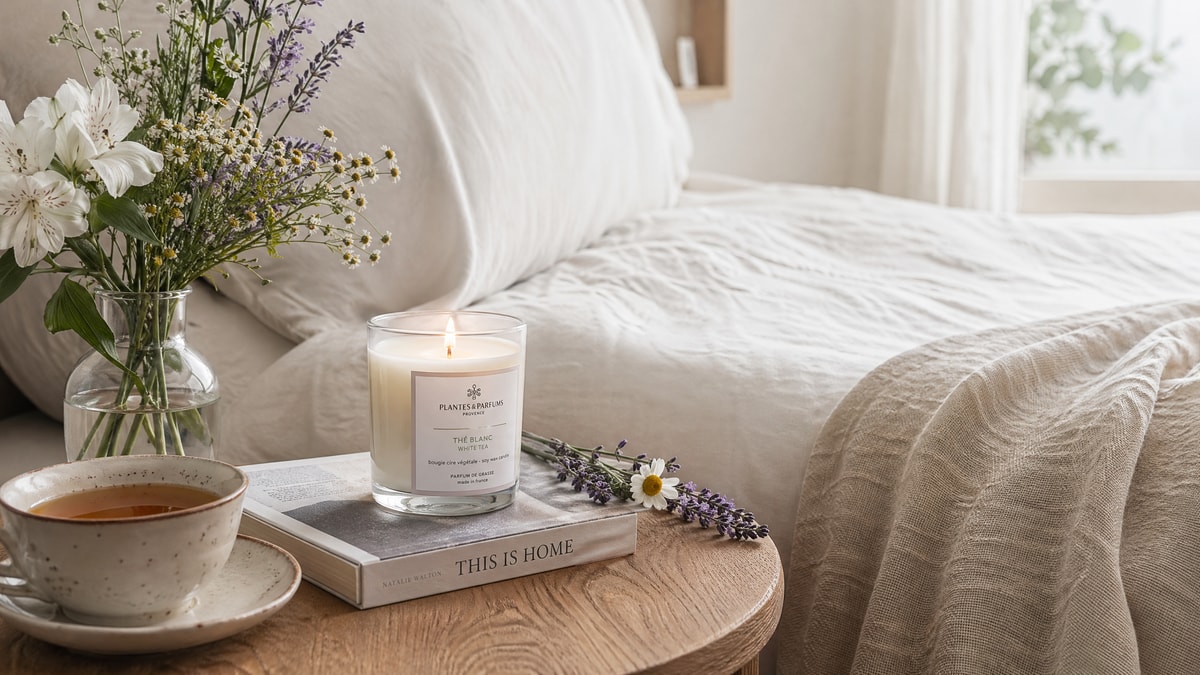
Scented Candles for relaxation can transform a room into a calm, comforting space, but the wrong fragrance profile may feel overpowering, smoky, or even stressful. Choosing cleaner, lighter scent notes is key to creating a peaceful atmosphere that supports rest rather than distraction. In this guide, you will learn how to identify balanced candle fragrances, avoid heavy blends, and select options that make relaxation feel natural and enjoyable.
If you want scented candles for relaxation, the best choice is usually not the strongest or most complex fragrance. Relaxing candles tend to have soft, airy, and clean scent profiles that stay close to the room instead of taking it over. Heavy oud, dense amber, burnt wood, tar-like smoke, and overly sweet gourmand blends can feel comforting to some people, but they often work against the calm, quiet mood most buyers are actually looking for.
For most consumers, the real challenge is not finding a candle labeled “relaxing.” It is figuring out which candles will actually feel soothing after 20 minutes of burning. Many products smell pleasant in the jar, then become sharp, smoky, or tiring in a warm room. That is why understanding scent families, wax quality, wick behavior, and fragrance balance matters more than the marketing words on the label.
What makes a candle feel relaxing instead of heavy?
A relaxing candle usually creates atmosphere without demanding attention. In practical terms, that means the fragrance should feel smooth, balanced, and easy to live with. Notes such as lavender, neroli, soft eucalyptus, chamomile, cotton, white tea, light sandalwood, gentle vanilla, and clean musk often work well because they bring softness rather than density.
Heavy candles tend to push too hard in one direction. They may smell dark, syrupy, spicy, leathery, or heavily smoked. These profiles are not automatically bad, but they can make a bedroom or reading corner feel smaller, warmer, and more crowded. If your goal is stress relief, a fragrance that sits lightly in the background is often more effective than one that fills every corner of the room.
Another factor is emotional association. Many people search for Scented Candles for relaxation because they want better evenings, less tension, or a more restful home routine. Fragrances that suggest cleanliness, fresh air, soft florals, mild herbs, or delicate woods usually support that intention better than dramatic perfume-style blends. A candle for relaxation should feel like an exhale, not a performance.
Which scent notes are most likely to feel smoky or overpowering?
If you are trying to avoid smoky notes, watch for fragrance descriptions that include smoke, incense, charred wood, firewood, tobacco leaf, leather, resin, oud, patchouli-heavy blends, or dark spice combinations. These notes can be beautiful in the right setting, but they often create a denser atmosphere than people expect, especially in smaller rooms.
Gourmand candles can also become surprisingly heavy. Notes like caramel, maple, coffee, cocoa, buttercream, and very sweet vanilla may smell cozy at first, but after a longer burn they can feel thick or cloying. For relaxation, a lighter creamy note is usually better than a dessert-style scent that lingers in the air long after you wanted it to fade.
It is also worth being cautious with “masculine,” “luxury,” or “winter” fragrance descriptions if your main goal is calm. These often lean into bold woods, smoky accords, black pepper, clove, amber, and musk. Again, that does not mean they are poor-quality candles. It simply means they may not match the soft, breathable mood most people want when shopping for relaxing home fragrance.
How can you judge a candle before buying it?
Start with the fragrance notes, but do not stop there. Product descriptions can be vague, and brands often highlight only the most appealing ingredients. Look for the full note pyramid if available: top notes, heart notes, and base notes. A candle that opens with lavender but settles into smoke, patchouli, and amber may not feel relaxing once it has been burning for a while.
Reading reviews helps, especially comments that mention throw strength, room size, and whether the scent becomes stronger or sharper during use. Search for words like “clean,” “subtle,” “balanced,” “not overpowering,” and “soft.” Be careful if many buyers say the fragrance is “super strong,” “fills the whole house,” or “smells like a bonfire,” unless that is exactly what you want.
The jar test matters too, but only as a starting point. A candle that smells intense in cold form may become much stronger when lit. By contrast, a candle with a gentle cold throw can sometimes be ideal for a bedroom or bath routine. If possible, choose candles from brands that describe burn performance clearly and explain whether the scent is intended to be delicate, medium, or bold.
Why do some candles become smoky even if the fragrance is light?
Sometimes the issue is not the fragrance profile but the burn quality. A candle can smell fresh and relaxing but still produce a smoky impression if the wick is too long, the wax pool becomes unstable, or soot begins to form. This burnt effect changes how the fragrance is perceived and can make even a clean floral candle smell dusty or harsh.
To reduce this risk, trim the wick to about one-quarter inch before each burn. Avoid placing the candle near a fan, open window, or vent, because moving air can cause uneven burning and extra smoke. Let the wax melt evenly across the top during the first few uses so tunneling does not distort later burns.
Wax type and formulation also matter. Well-made soy blends, coconut wax, and some premium plant-based blends often provide a cleaner experience, though quality depends on the manufacturer, not just the material name. A poorly made candle of any wax type can still soot or smell burnt. For consumers, consistent reviews and reputable brand standards are more useful than buzzwords alone.
What scent families work best for a calm bedroom or evening routine?
For bedrooms, the safest choices are usually soft herbal, light floral, fresh linen, tea-inspired, and airy wood-based scents. Lavender remains popular because it is familiar and easy to recognize, but it works best when paired with gentle companions like chamomile, sage, white tea, vanilla, or a smooth clean musk. These combinations tend to feel rounded without becoming loud.
If you prefer something less floral, look for eucalyptus softened by mint, rain, sea salt, aloe, bamboo, or cotton. These notes can create a clear, open mood that many people find mentally refreshing. The key is balance. Sharp mint or medicinal eucalyptus can become stimulating rather than calming if used too strongly.
For wood lovers, choose pale or creamy woods over smoky ones. Soft sandalwood, blond cedar, cashmere wood, and faint driftwood notes are often more suitable than campfire, incense, or dark resin accords. A little warmth can be grounding, but too much depth can make the room feel visually and emotionally heavier than intended.
How strong should scented candles for relaxation be?
Many consumers assume a premium candle should have a powerful throw, but strength is not always a benefit. For relaxation, medium to low-medium intensity is often best. You should notice the fragrance without feeling surrounded by it. If you can smell the candle clearly from several rooms away, it may be too assertive for winding down, journaling, bathing, or preparing for sleep.
Room size changes everything. A fragrance that feels perfectly balanced in a large living room may become overwhelming in a small bedroom or bathroom. If you are fragrance-sensitive, start with a smaller candle, a shorter burn time, or a candle designed for intimate spaces. It is much easier to build a calming ritual with a subtle scent than to recover from one that feels oppressive.
Burn duration matters as well. Even a gentle candle can become too strong if left burning for hours. For relaxation, 30 minutes to 90 minutes is often enough to set the mood. Extinguish it once the room feels comfortable. The goal is to support calm, not saturate fabrics, curtains, and bedding with fragrance.
Red flags to avoid when shopping online
Be skeptical of candles described only with emotional language such as “luxurious,” “seductive,” “moody,” or “intense” if there is no clear note breakdown. These terms may signal a rich, dramatic fragrance rather than a relaxing one. A good product page should help you understand what the candle actually smells like, not just what lifestyle image it is trying to sell.
Another red flag is the absence of practical information. If a brand does not mention wax type, burn time, wick count, or any guidance on scent strength, it becomes harder to predict performance. For Scented Candles for relaxation, transparency matters because consumers are often looking for a dependable part of a self-care routine, not an unpredictable decorative item.
Finally, be careful with products that promise both extreme strength and “clean calm.” Those claims do not always work together. A truly relaxing candle usually wins through balance, not force. Look for brands that describe nuance: soft throw, fresh finish, low smoke, smooth burn, or bedroom-friendly scent profile. Those details are more useful than exaggerated promises.
A simple checklist for choosing the right relaxing candle
Choose scents with light herbal, airy floral, tea, linen, or soft wood notes. Avoid products centered on smoke, incense, oud, leather, heavy spice, or dessert-like sweetness unless you already know you enjoy them in small amounts. If the fragrance description sounds dark, rich, or dramatic, it is less likely to deliver the quiet effect most people want from a relaxation candle.
Look for medium or gentle throw, especially for bedrooms and smaller spaces. Read user reviews for comments about soot, harshness, or headaches. Check whether the wick and wax are known for clean burning. A beautiful scent can still disappoint if the candle itself burns poorly and creates a burnt or smoky impression in the room.
When possible, test one candle from a brand before buying several. Fragrance preference is personal, and relaxation is highly individual. The best candle for your evening routine is the one that helps the room feel softer, quieter, and easier to settle into—not the one with the most fashionable notes or the boldest branding.
Conclusion
The best scented candles for relaxation are usually the ones that feel light, balanced, and quietly supportive. If you want to avoid heavy or smoky notes, focus on clean florals, soft herbs, tea accords, fresh fabrics, and gentle woods. Be cautious with dark resins, intense spices, strong gourmand blends, and any candle that promises dramatic throw without clear scent details.
In the end, a relaxing candle should make your space feel more breathable, not more crowded. By paying attention to scent notes, burn quality, strength, and real user feedback, you can choose a candle that helps you unwind naturally. That is what turns a simple home fragrance purchase into a truly useful part of your daily rest routine.
Industry Global
Related News
- 00
0000-00
How to Shortlist a Home Decor Manufacturer for Export Projects - 00
0000-00
Fragrance Wholesale in 2026: What Buyers Need to Know Before Importing - 00
0000-00
How to Choose an Aroma Diffuser for Home Based on Room Size - 00
0000-00
How to Pick Decorative Items for Office Without Making It Look Cluttered - 00
0000-00
Home Styling Tips That Make Small Spaces Feel More Put Together
Weekly Insights
Stay ahead with our curated technology reports delivered every Monday.
Related News
 How to Shortlist a Home Decor Manufacturer for Export ProjectsHome Decor manufacturer guide: learn how to shortlist export-ready partners for Home Fragrance diffuser, Decorative Items for office, and custom gifts for corporate with less sourcing risk.
 Fragrance Wholesale in 2026: What Buyers Need to Know Before ImportingFragrance wholesale in 2026: learn how to evaluate Home Fragrance diffuser, Aroma Diffuser for home, Scented Candles custom, and Essential Oils for relaxation before importing.
 How to Choose an Aroma Diffuser for Home Based on Room SizeAroma Diffuser for home guide by room size: compare Home Fragrance diffuser types, Reed Diffuser benefits, Essential Oil Diffuser price, and Aromatherapy Oils for sleep to choose the best fit.
 How to Pick Decorative Items for Office Without Making It Look ClutteredDecorative Items for office made simple: discover Home Styling tips, smart office supplies bulk order ideas, and sourcing advice from a Home Decor manufacturer for a clean, professional workspace.